Basenji
Doesn’t bark. Judges silently. Results the same.
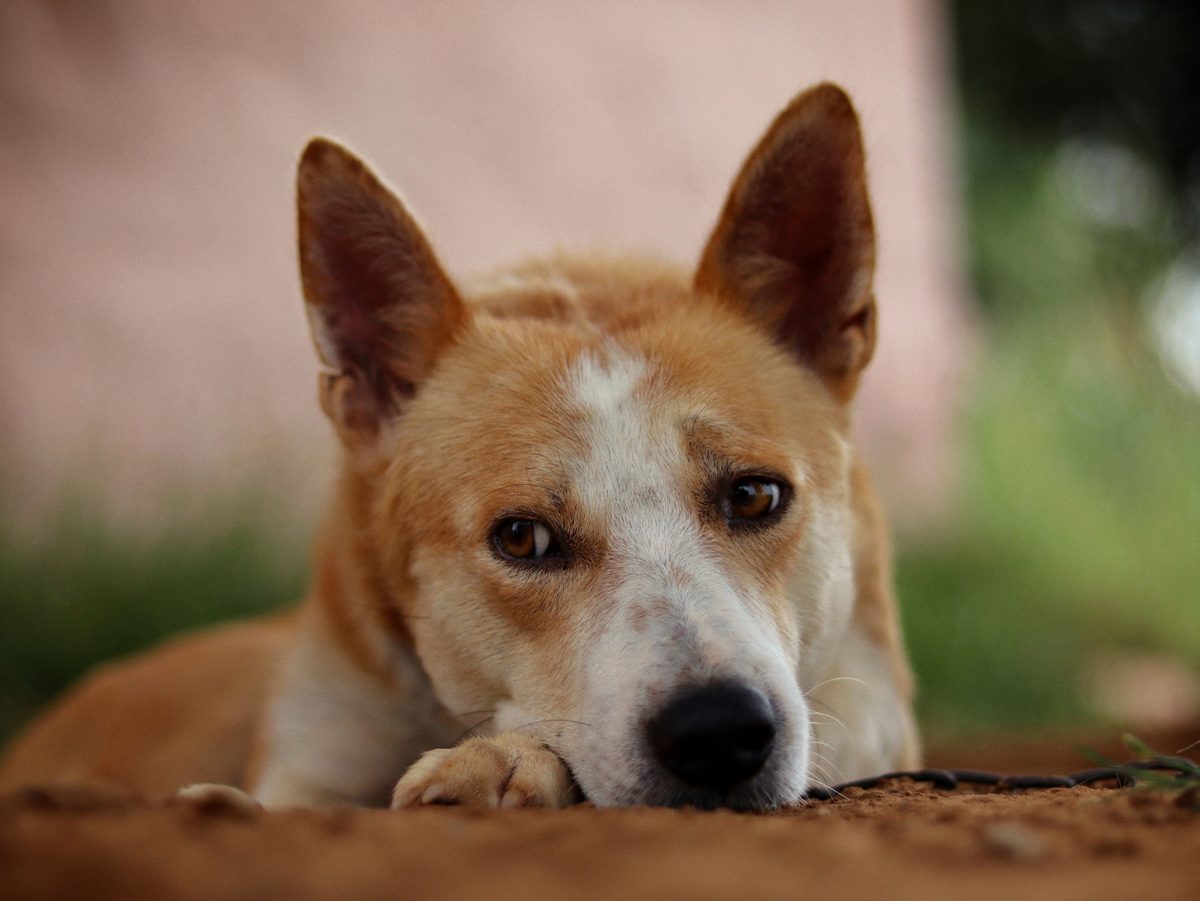
Basenjis are famous for being "barkless" — they can't bark in the traditional sense, instead producing a yodel-like sound sometimes called a "baroo." Don't mistake quiet for easy, though. This is a cat-like, independent, curious breed with a strong prey drive and a mind of its own.
They're playful and affectionate on their own terms but genuinely aloof with strangers, and they don't share the eager-to-please instinct that makes some breeds easy to train. This is a breed for someone who appreciates independence rather than one looking for a devoted shadow.
Basenjis typically live 12–14 years. The breed's signature health concern is Fanconi syndrome, a kidney disorder that's disproportionately common in Basenjis and worth understanding before bringing one home — increased thirst and urination are early warning signs worth a vet visit.
Hypothyroidism and progressive retinal atrophy both appear in the breed as well. On the plus side, hip dysplasia and the joint issues common in many breeds are less prevalent here.
A quality protein-forward diet suits this breed well, and Basenjis are notably prone to being selective, sometimes picky eaters. Because Fanconi syndrome affects kidney function, some owners work with their vet on kidney-supportive nutrition proactively, especially as the dog ages.
Watch water intake and urination patterns as part of routine awareness given the breed's specific kidney risk.
Basenjis do fine with respectful older kids but their strong prey drive makes them a poor match for households with small pets — cats, rabbits, and similar animals are genuinely at risk. Their independent nature means they're not a clingy or needy dog, which some families love and others find distancing.
Recall off leash is a real challenge with this breed; secure fencing rather than reliance on training is the safer approach.
This is an intelligent dog, but not in the eager-to-please way that makes Labs and Goldens easy. Basenjis think for themselves, and that's not a flaw to correct — it's the whole point of the breed. Owners who take independence personally will struggle here.
If you want a genuinely low-shed, quiet (not silent, but non-barking), cat-like companion who does things on their own terms, a Basenji delivers something you won't find in many other breeds. If you want a dog that lives to please you, this isn't it.
How much exercise does a Basenji need?
The Basenji has high physical activity needs and high mental stimulation needs.
What size is a Basenji?
The Basenji is a small breed.
How much grooming does a Basenji need?
The Basenji has low grooming needs.
Is a Basenji easy to train?
The Basenji is independent-minded, which can make training more challenging.
Is the Basenji a good choice for first-time owners?
The Basenji is generally not recommended for first-time owners.
Is a Basenji apartment-friendly?
The Basenji can live in an apartment, as long as it gets enough daily exercise.
How long does a Basenji live?
The Basenji typically lives 12–14 years.
General references for further reading. For your own dog, always check with your veterinarian.