Basset Hound
Nose: world-class. Urgency: nonexistent. Ears: a liability.
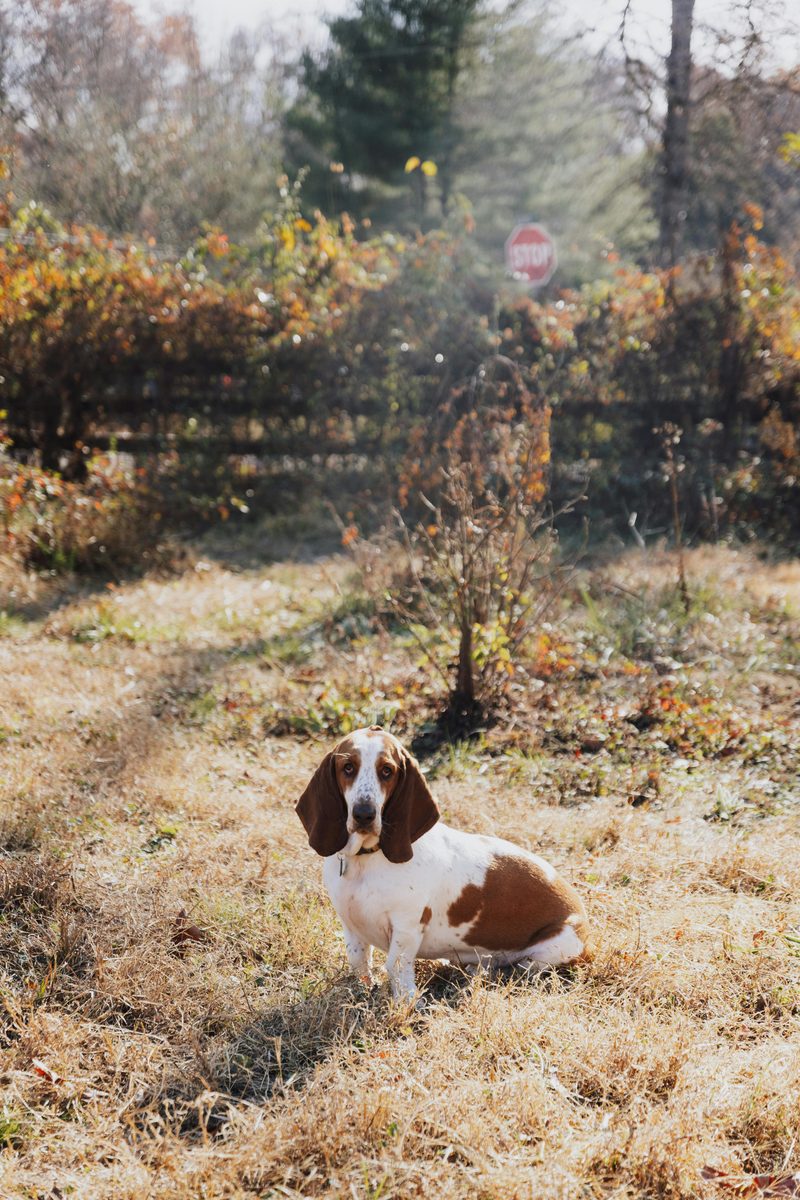
Bassets are easygoing, friendly, and about as low-drama as a dog gets — right up until that nose catches a scent. Once it does, the good-natured stubbornness kicks in and a walk becomes a scent-tracking mission with your dog as an unwilling passenger to their own nose.
They're not lazy so much as low on urgency. A Basset is content to spend most of the day lounging, and their baying bark carries considerably further than their size suggests.
Bassets typically live 10–12 years. Their long back relative to short legs creates real spinal strain, similar to the risk profile in Corgis and Dachshunds — jumping on and off furniture should be minimized, with ramps or steps where possible.
Their long ears trap moisture and debris, making ear infections a recurring issue without regular cleaning. Obesity is a common and serious concern given low activity combined with a hearty appetite, and bloat and hip dysplasia both appear in the breed as well.
Weight management is arguably the single most important nutrition consideration for this breed — the combination of short legs, long spine, and low activity means extra weight causes real physical strain quickly. Measured portions matter more here than the food brand itself.
Treats should be factored carefully given how food-motivated this breed tends to be, and consistent portion control beats any specific diet trend.
Bassets are excellent with kids — patient, gentle, and rarely rattled. They generally do well with other dogs too, being a naturally sociable pack breed. Their low exercise needs make them a good match for less active households, older owners, or families who want a calm presence rather than a high-energy companion.
That droopy, sad-eyed expression hides a genuinely stubborn, food-obsessed, nose-led dog who will happily wander off mid-walk chasing a smell if given the chance. Ear care and weight management need ongoing attention, not a one-time fix.
That said, this is one of the more forgiving large-ish breeds for a first-time owner — low exercise demands, a friendly disposition, and a good fit for households that want companionship without the athletic commitment some breeds require.
How much exercise does a Basset Hound need?
The Basset Hound has low physical activity needs and moderate mental stimulation needs.
What size is a Basset Hound?
The Basset Hound is a medium-sized breed.
How much grooming does a Basset Hound need?
The Basset Hound has moderate grooming needs.
Is a Basset Hound easy to train?
The Basset Hound is independent-minded, which can make training more challenging.
Is the Basset Hound a good choice for first-time owners?
Yes — the Basset Hound is generally considered a good fit for first-time dog owners.
Is a Basset Hound apartment-friendly?
Yes — the Basset Hound can adapt well to apartment living.
How long does a Basset Hound live?
The Basset Hound typically lives 10–12 years.
General references for further reading. For your own dog, always check with your veterinarian.