Shiba Inu
Has opinions. Will escalate. Actually you’re not allowed here.
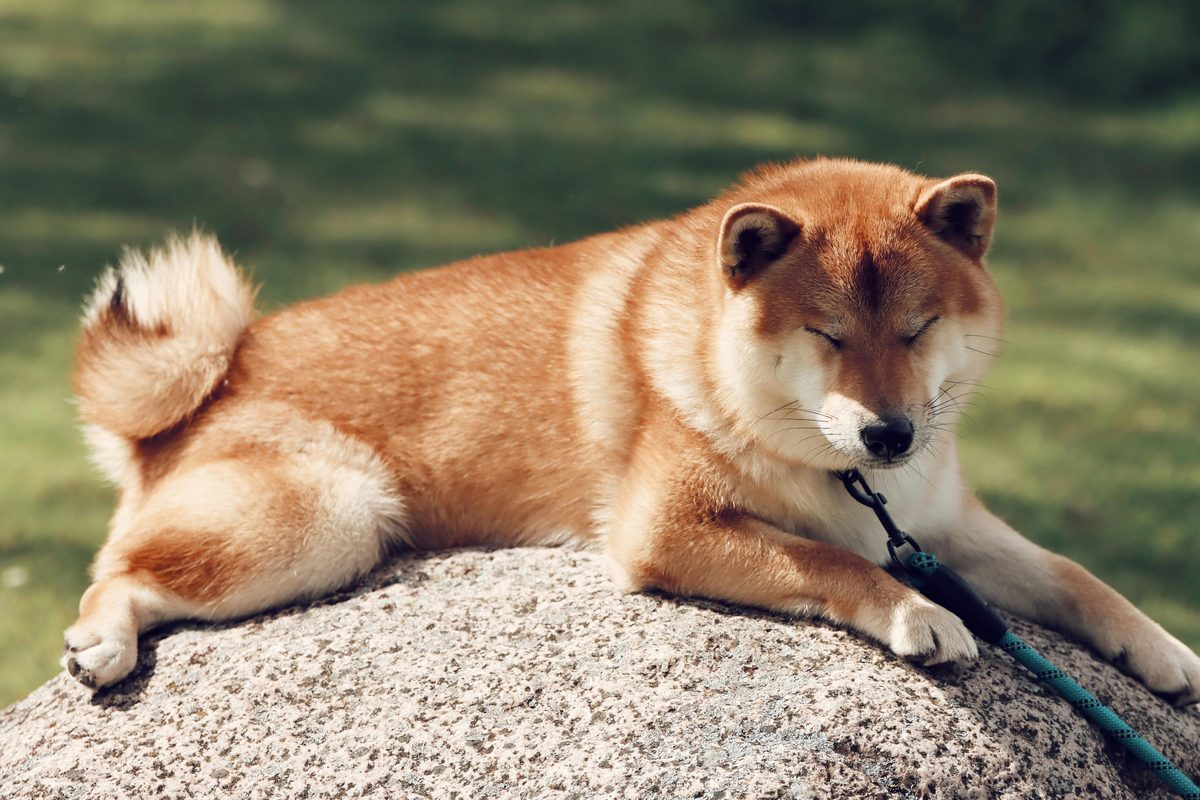
The Shiba Inu is the most popular dog in Japan, and understanding why requires understanding that Japanese dog culture rewards a different set of traits than most Western dog ownership does — independence, cleanliness, dignity, and loyalty on the dog's own terms rather than endless social enthusiasm.
Shibas are clean, cat-like, and genuinely devoted to their people without being clingy about it. They're also vocal — the 'Shiba scream' is a real thing, deployed at maximum volume during bathtime, nail trims, or perceived injustices — and they have strong opinions about strangers and other animals.
Shibas are generally hardy and live 13–16 years, among the longer lifespans in their size class. The breed does carry some risk for hip dysplasia, patellar luxation, and progressive retinal atrophy, though at rates lower than many comparable breeds.
The bigger health conversation for Shibas is usually allergies — both environmental and food-related skin sensitivities appear frequently. If a Shiba is scratching chronically or having recurring ear infections, diet or environmental allergens are often involved.
Shibas are prone to food sensitivities and can be particular about what agrees with them. High-quality protein from a limited number of sources is often the starting point when managing skin or digestive issues.
They're not heavy eaters for their size, and overfeeding is easy to do with a breed that has a naturally compact build. Keep them lean — extra weight on small dogs adds up faster than people expect.
Shibas are better suited to households with older children who understand the concept of respecting a dog's space. Their prey drive is real and small animals — cats, rabbits, birds — are genuinely at risk. They can coexist with cats they've been raised with, but it's not guaranteed.
They're often better in calmer households than chaotic ones, and they bond deeply to their core family while remaining reserved with everyone else — which is exactly what some families want.
The Shiba Inu is not a beginner dog dressed up in a compact package. The independent nature isn't something training fixes — it's the whole personality. Recall off-leash is genuinely unreliable, and any off-leash time should happen in fully enclosed spaces.
For the right owner — someone who appreciates a dog that's clean, self-sufficient, and bonded to them without being needy — the Shiba is deeply satisfying. For someone expecting the easy affection of a golden, this will be a frustrating relationship. Matching expectations to the actual breed is the whole game here.
How much exercise does a Shiba Inu need?
The Shiba Inu has moderate physical activity needs and high mental stimulation needs.
What size is a Shiba Inu?
The Shiba Inu is a small breed.
How much grooming does a Shiba Inu need?
The Shiba Inu has moderate grooming needs.
Is a Shiba Inu easy to train?
The Shiba Inu is independent-minded, which can make training more challenging.
Is the Shiba Inu a good choice for first-time owners?
The Shiba Inu is generally not recommended for first-time owners.
Is a Shiba Inu apartment-friendly?
The Shiba Inu can live in an apartment, as long as it gets enough daily exercise.
How long does a Shiba Inu live?
The Shiba Inu typically lives 13–16 years.
General references for further reading. For your own dog, always check with your veterinarian.