Saint Bernard
Alpine rescue legend. Currently drooling on your furniture.
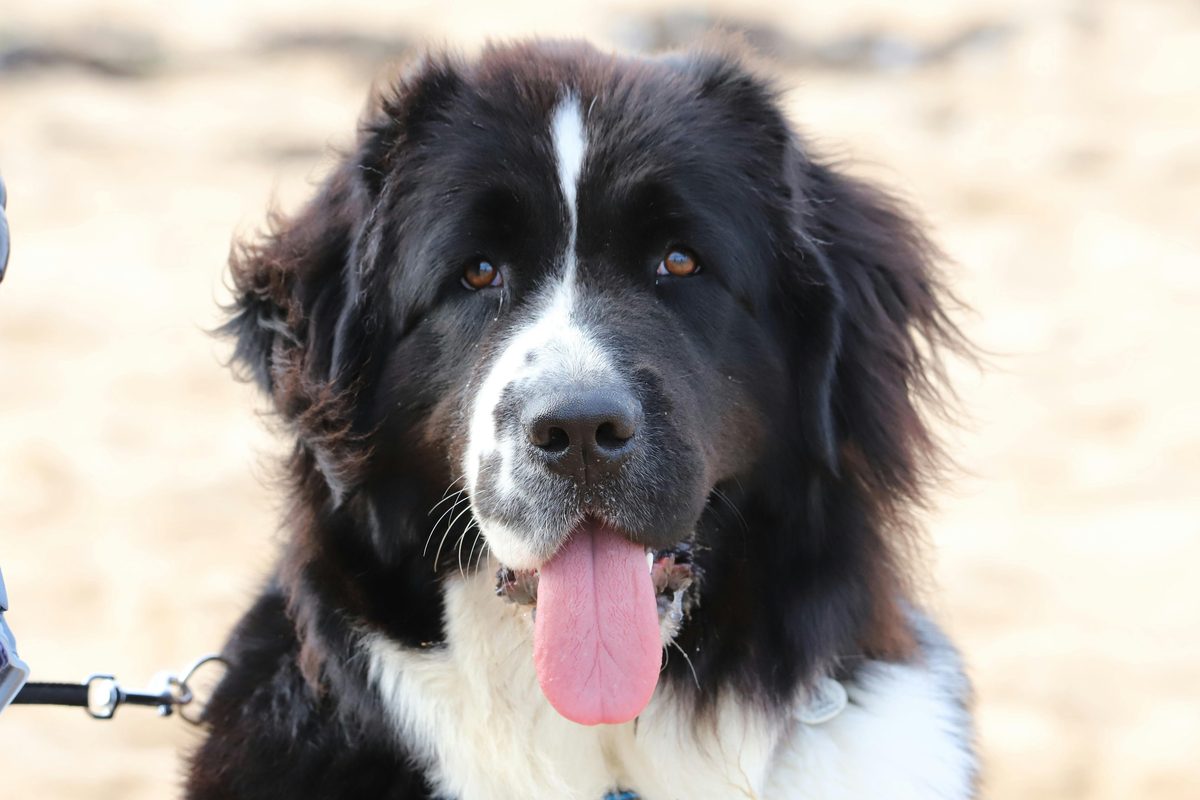
Saint Bernards are gentle, patient, and calm, with a steady, reliable temperament rooted in their history as alpine rescue dogs. They're affectionate with family and not particularly high-energy, though significant drooling is simply part of daily life with this breed.
Saint Bernards typically live 8–10 years. Hip and elbow dysplasia, bloat, heart issues, and bone cancer are all documented risks common to giant breeds. Entropion and ectropion, eyelid conditions, appear at notable rates, and their heavy coat creates real heat intolerance.
Large-breed puppy formula is critical during growth given how much size this breed needs to reach. Joint support and bloat precautions matter throughout adulthood, along with weight management given moderate activity paired with a large frame.
Saint Bernards are excellent and patient with kids. They need real space given their size, drool and shedding are simply part of daily life, and their heat sensitivity limits how much activity is safe in summer months.
The gentle giant reputation here is well earned, but the size brings the same giant-breed cost structure seen elsewhere on this list — vet bills, food costs, drool, heat sensitivity, and a shorter lifespan than the emotional investment might prepare you for.
How much exercise does a Saint Bernard need?
The Saint Bernard has moderate physical activity needs and moderate mental stimulation needs.
What size is a Saint Bernard?
The Saint Bernard is a giant breed.
How much grooming does a Saint Bernard need?
The Saint Bernard has high grooming needs.
Is a Saint Bernard easy to train?
The Saint Bernard is generally easy to train.
Is the Saint Bernard a good choice for first-time owners?
The Saint Bernard is best suited to owners who already have some dog experience.
Is a Saint Bernard apartment-friendly?
The Saint Bernard is not well suited to apartment living and does better with more space.
How long does a Saint Bernard live?
The Saint Bernard typically lives 8–10 years.
General references for further reading. For your own dog, always check with your veterinarian.