Corgi
Stubby legs. Enormous opinions. Herding you regardless.
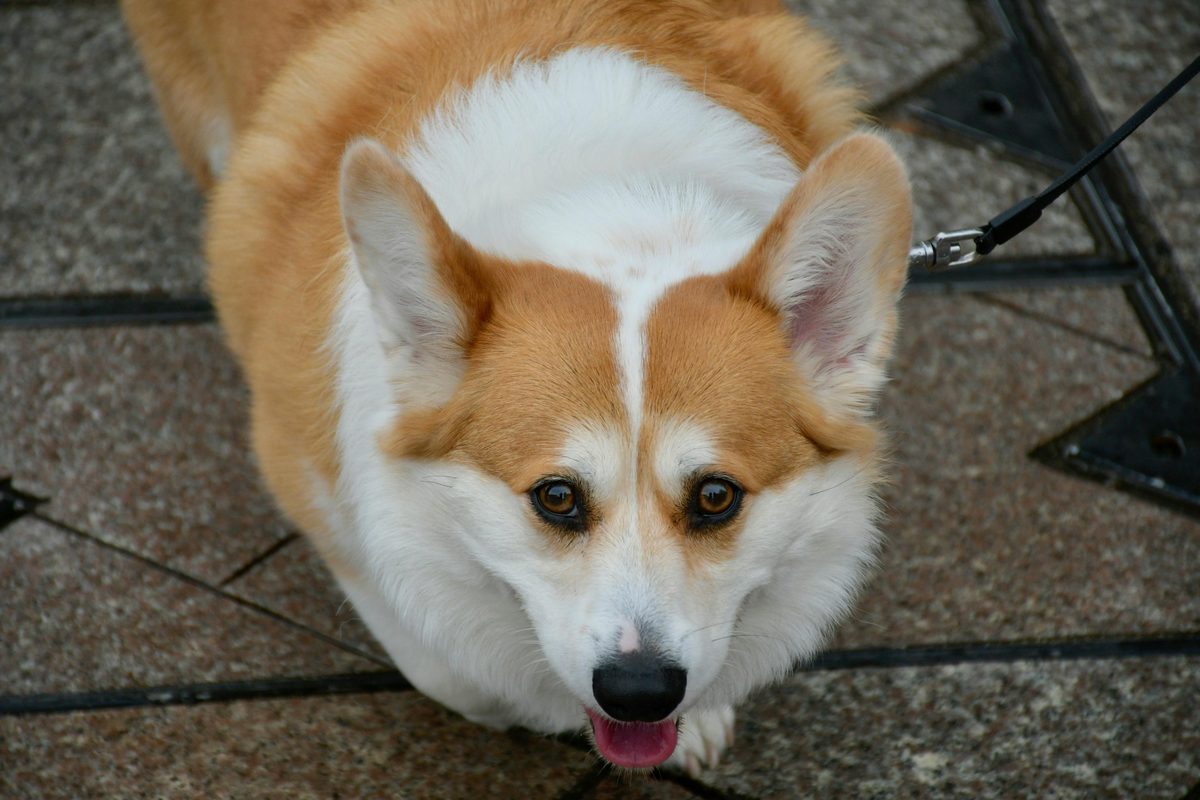
Corgis were bred to herd cattle many times their size, and that job description explains almost everything about their personality. They're bold, opinionated, and weirdly fearless for a dog with four-inch legs. Many will still try to herd children, other pets, and the occasional jogger by nipping at heels — an instinct that needs redirecting early, not punishing out of them.
They're also relentlessly social and vocal. A Corgi left alone with nothing to do will find something to do, and you probably won't like what it picks. This isn't a background dog. They want to be involved in whatever's happening, and they'll bark to make sure you know it.
Corgis typically live 12–13 years, but that long back is the tradeoff for those short legs. Intervertebral disc disease is the breed's defining risk — jumping on and off furniture repeatedly puts real strain on their spine over time, and ramps or steps aren't a luxury for this breed, they're preventive care.
Hip dysplasia and degenerative myelopathy (a progressive spinal cord disease) both show up at higher rates than average. Obesity compounds every one of these risks disproportionately, since extra weight on that frame accelerates spinal and joint wear. Eye conditions like progressive retinal atrophy also warrant regular screening.
Weight management isn't optional with this breed — it's the single biggest lever an owner has over long-term spinal health. Corgis are notorious food hustlers with an uncanny ability to convince you they haven't eaten in days. Measured portions, not free-feeding, and resisting the guilt-trip stare are non-negotiable.
A high-quality diet with controlled calories and joint-supportive nutrients (glucosamine, omega-3s) earns its keep here more than in most breeds. Treats should be factored into daily totals, not added on top — it's an easy place for weight to creep up unnoticed.
Corgis generally do well with kids, especially when the herding-nip instinct gets managed early and consistently. They're sturdy enough for reasonably rough play but small enough that very young toddlers should still be supervised around them, mostly to protect the dog rather than the kid.
They tend to coexist fine with other pets, though the herding instinct can extend to cats and smaller dogs too. This is a breed that wants to be a full-time member of the household, not a yard dog or a solo companion — they do best with people who are home often or can bring the dog along.
The internet has turned Corgis into a meme, and that's done the breed no favors. People see the stubby legs and big ears and don't clock that underneath is a genuinely demanding working dog with real exercise and mental stimulation needs. Under-stimulated Corgis get destructive, barky, and pushy — not because they're bad dogs, but because nobody gave them a job.
If you're willing to put in structured training early and keep their weight in check for the sake of that long spine, you get one of the most entertaining, loyal, and genuinely funny breeds out there. If you want a low-maintenance lap dog because the pictures looked cute, this is the wrong breed for the wrong reason.
How much exercise does a Corgi need?
The Corgi has high physical activity needs and very high mental stimulation needs.
What size is a Corgi?
The Corgi is a small breed.
How much grooming does a Corgi need?
The Corgi has high grooming needs.
Is a Corgi easy to train?
The Corgi is moderately trainable.
Is the Corgi a good choice for first-time owners?
The Corgi is best suited to owners who already have some dog experience.
Is a Corgi apartment-friendly?
The Corgi can live in an apartment, as long as it gets enough daily exercise.
How long does a Corgi live?
The Corgi typically lives 12–13 years.
General references for further reading. For your own dog, always check with your veterinarian.