Boxer
Athlete’s body. Clown’s soul. Permanent puppy mode.
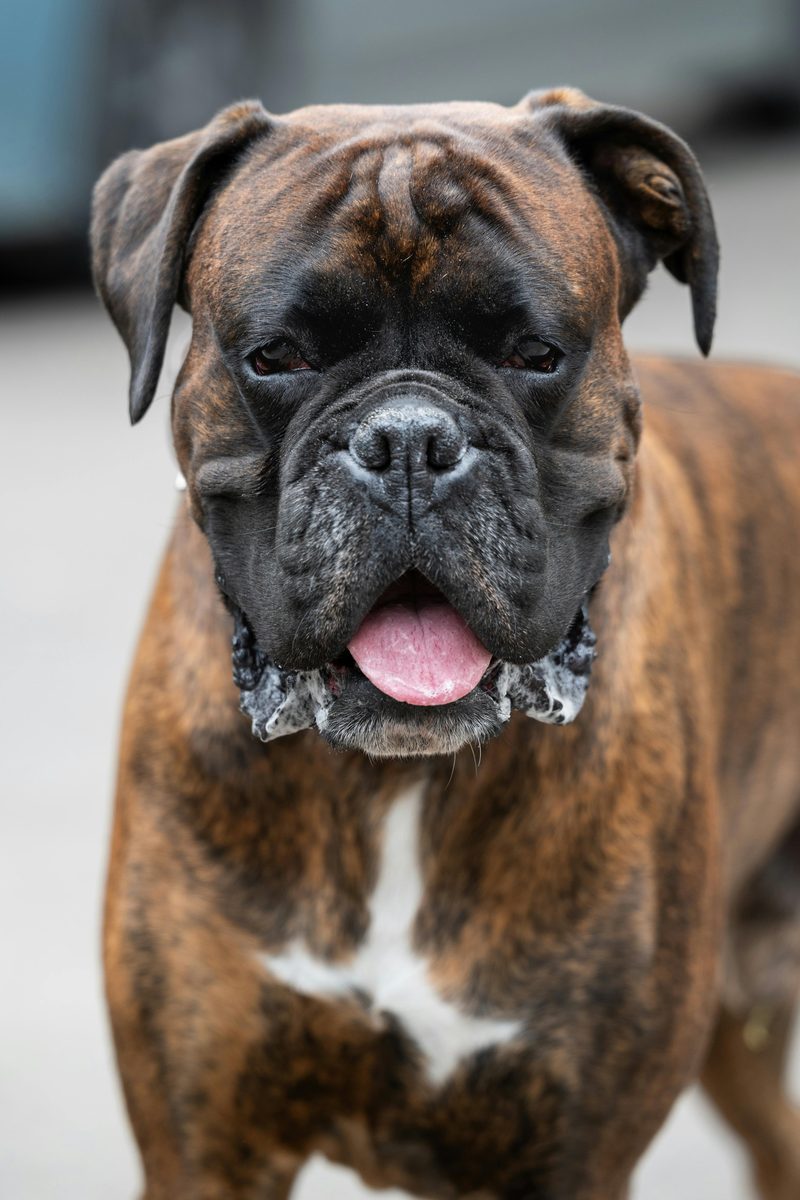
Boxers are built like athletes and act like clowns, and that combination is most of their appeal. They're playful well into adulthood — a trait breeders call “puppy-like” that other owners might call “still knocking things off the coffee table at age six.” Their energy is genuine and it doesn't fade fast.
They're deeply loyal and tend to bond hard with their family, sometimes to the point of being wary with strangers at first. Once they've decided you're a friend, though, a Boxer's affection is total and often physical — leaning, licking, and generally trying to close every gap between you and them.
Boxers typically live 10–12 years, but the breed carries a notably higher cancer rate than most, including mast cell tumors and lymphoma — regular vet checkups and prompt attention to new lumps matter more here than in many breeds. This is worth discussing openly with a breeder or vet.
Boxer cardiomyopathy, a heart condition specific to the breed, is common enough that cardiac screening is standard practice for responsible breeding. Hip dysplasia and bloat are also present, and as a brachycephalic (flat-faced) breed, heat tolerance is reduced — exercise in hot weather needs real caution.
A high-quality diet with controlled calories matters for Boxers given their athletic build and tendency to stay active well into middle age — they burn through food differently than a more sedentary breed of similar size. Weight management still matters, since extra pounds strain joints already carrying breed-specific risk.
Because bloat is a concern, the same precautions apply here as with other deep-chested breeds: smaller meals, calmer routines around eating, and avoiding hard exercise immediately after food.
Boxers are excellent with kids, often described as having an intuitive gentleness with children despite their size and energy — many families specifically seek the breed out for this reason. They're sturdy enough to handle rough-and-tumble play and patient enough to tolerate a lot from small humans.
They generally do fine with other dogs, especially when socialized early, though that same playful energy can be overwhelming for a more reserved dog or an elderly pet. This is a breed that wants to be part of the action, not off to the side.
Boxers are often underestimated because they look tough and act goofy, but underneath is a genuinely demanding dog — high energy, real exercise needs, and a health profile that requires an attentive owner willing to catch problems early. The cancer risk in particular is something to go in aware of, not discover later.
If you want an athletic, affectionate dog that treats every day like an event and you're prepared for the vigilance the breed's health issues require, Boxers deliver a kind of full-hearted, physical loyalty that's hard to match. If you want a low-key dog that mellows out by age three, keep looking.
How much exercise does a Boxer need?
The Boxer has high physical activity needs and high mental stimulation needs.
What size is a Boxer?
The Boxer is a medium-sized breed.
How much grooming does a Boxer need?
The Boxer has low grooming needs.
Is a Boxer easy to train?
The Boxer is moderately trainable.
Is the Boxer a good choice for first-time owners?
The Boxer is best suited to owners who already have some dog experience.
Is a Boxer apartment-friendly?
The Boxer can live in an apartment, as long as it gets enough daily exercise.
How long does a Boxer live?
The Boxer typically lives 10–12 years.
General references for further reading. For your own dog, always check with your veterinarian.