Samoyed
The smile is structural. The shedding is also structural.
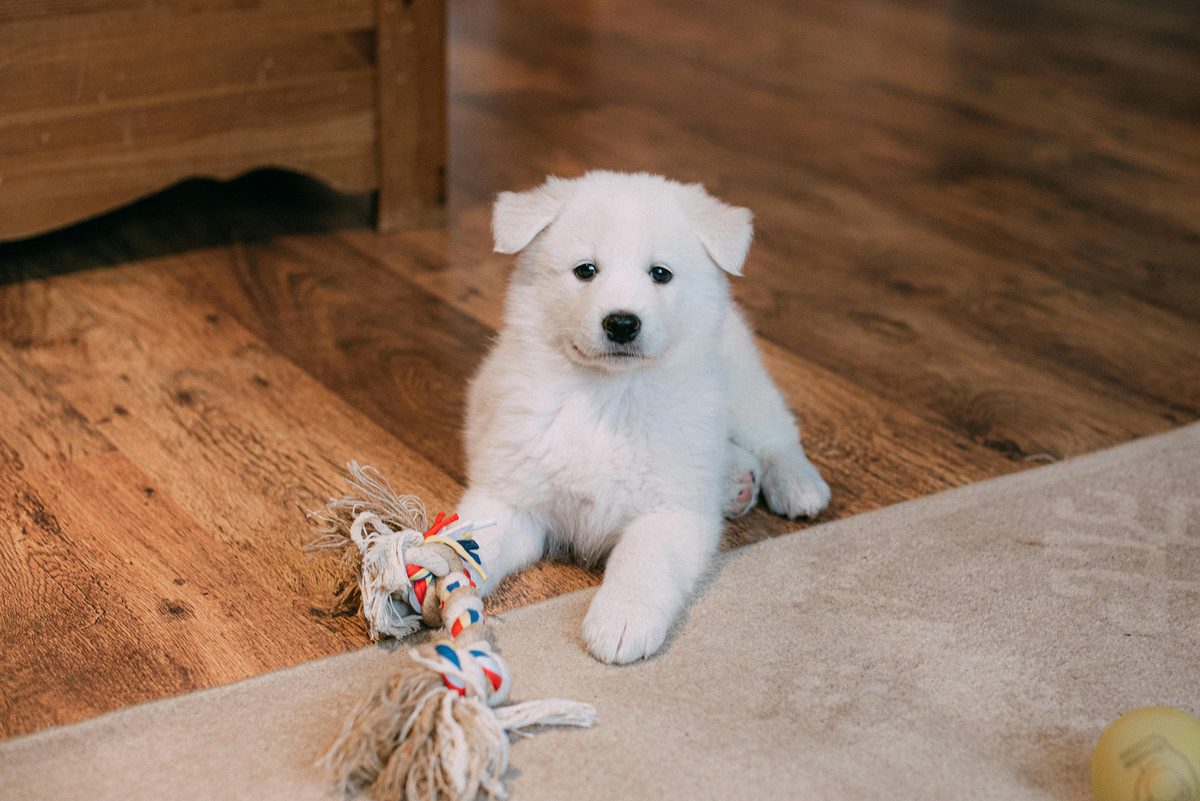
The Samoyed's signature feature is that smile — an actual, anatomical upward curl at the corners of the mouth that evolved to prevent drooling in freezing temperatures and ended up making every single Samoyed look like they're delighted to see you. The personality generally matches.
This is a friendly, social, vocal dog that was bred to live and sleep in close proximity to people in Siberian conditions. They are genuinely people-oriented and don't do well in isolation — separation anxiety is real and common. They are also loud about their opinions, which is fine in a house and a problem in an apartment building.
Samoyeds typically live 12–14 years. The breed's major genetic concern is Samoyed hereditary glomerulopathy, a kidney disease that primarily affects males and is worth understanding before committing to the breed — responsible breeders test for it.
Hip dysplasia, progressive retinal atrophy, and subvalvular aortic stenosis (a heart condition) all occur at notable rates. Eye and heart testing are standard in responsible breeding programs and worth confirming when selecting a puppy.
Samoyeds are active dogs with real caloric needs, though their thick coat can make it harder to gauge body condition — run your hands over the ribs periodically rather than judging by appearance alone.
They don't have unusual dietary requirements, but weight management matters since a heavy Samoyed puts additional strain on joints that are already worth monitoring for dysplasia.
Samoyeds are genuinely excellent with children — patient, gentle, and social in a way that suits family life well. They also tend to do well with other dogs. The breed's need for company makes them a natural fit in busy households where people are around most of the time.
What they're not suited for: being left alone for long stretches routinely, apartment living, or households where the commitment to grooming isn't real and sustained.
The coat is the honest starting point for Samoyed ownership. It sheds year-round and spectacularly twice a year — we're talking tumbleweeds of white fluff from every corner of your home, your car, your wardrobe, your lunches. Brushing multiple times a week is maintenance; skipping it leads to matting that requires professional intervention.
If you can make peace with the grooming, you get one of the most genuinely pleasant dogs to live with — happy, social, funny, and unfailingly friendly. The smile isn't a lie.
How much exercise does a Samoyed need?
The Samoyed has high physical activity needs and high mental stimulation needs.
What size is a Samoyed?
The Samoyed is a medium-sized breed.
How much grooming does a Samoyed need?
The Samoyed has very high grooming needs.
Is a Samoyed easy to train?
The Samoyed is moderately trainable.
Is the Samoyed a good choice for first-time owners?
The Samoyed is best suited to owners who already have some dog experience.
Is a Samoyed apartment-friendly?
The Samoyed is not well suited to apartment living and does better with more space.
How long does a Samoyed live?
The Samoyed typically lives 12–14 years.
General references for further reading. For your own dog, always check with your veterinarian.