Akita
Ancient guardian. Deeply loyal. Not interested in your opinion.
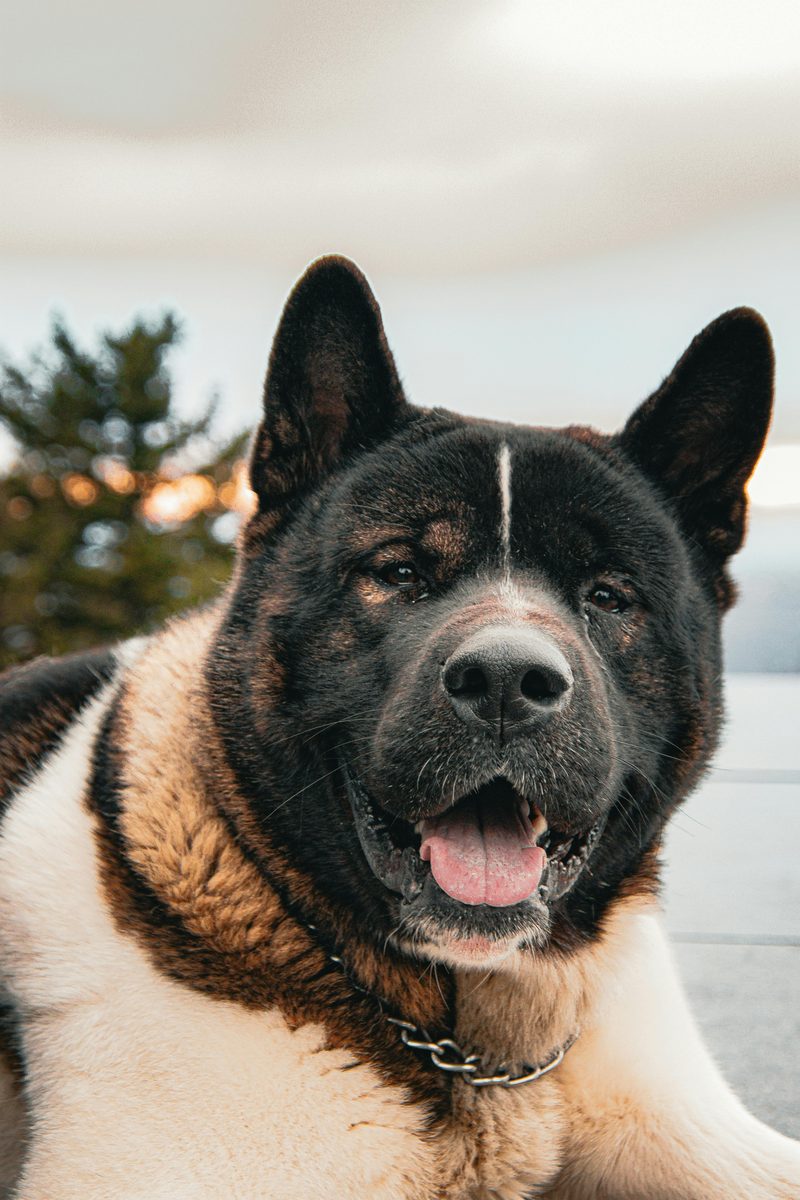
Akitas are dignified, watchful, and deeply loyal to their family — but that loyalty doesn't extend automatically to strangers or other dogs. This is a breed bred to guard, and the reserved, assessing nature that comes with the job is normal, not a red flag. They're quiet by nature, not big barkers, but they notice everything.
Same-sex dog aggression is a real and well-documented trait in this breed, and many Akitas do best as the only dog in the household. This isn't a temperament flaw to train away — it's baked into what the breed was developed for, and owners need to plan around it rather than fight it.
Akitas typically live 10–13 years. Hip dysplasia and hypothyroidism both appear at notable rates, and the breed carries a higher-than-average risk of autoimmune conditions, including sebaceous adenitis, a skin condition that affects coat and skin health.
Bloat is a real risk given their deep chest, so meal structure matters. Because of the autoimmune tendency, any unusual skin changes, hair loss, or vague sickness symptoms are worth a prompt vet visit rather than a wait-and-see approach.
A high-quality diet with controlled calories suits this breed well — Akitas aren't especially high-energy despite their size, and weight management matters for joint health. Given the autoimmune and skin sensitivity risks, some owners find limited-ingredient diets helpful if skin issues develop.
Bloat prevention practices apply here as with other deep-chested breeds: multiple smaller meals and calm routines around eating rather than one large meal and immediate activity.
Akitas bond intensely with their household and are often gentle and patient with the kids they consider their own family — but their wariness with unfamiliar people and animals means socialization needs to start early and stay consistent. This isn't a breed that defaults to friendly with everyone it meets.
Multi-dog households, especially with a same-sex dog, need real caution and often aren't recommended for this breed. An Akita generally does best as the primary or only dog.
This is not a first dog, and any breeder or rescue worth working with will tell you that directly. Akitas need calm, confident, consistent leadership and an owner who won't be rattled by a strong-willed, independent-thinking dog.
People are often drawn to the breed's striking looks without understanding the guardian instinct underneath. Done right — with an experienced owner who respects what this breed actually is — an Akita is a profoundly loyal, dignified companion. Done wrong, the reserved nature gets mistaken for aggression, and that's usually a training and understanding gap, not a broken dog.
How much exercise does an Akita need?
The Akita has moderate physical activity needs and moderate mental stimulation needs.
What size is an Akita?
The Akita is a large breed.
How much grooming does an Akita need?
The Akita has high grooming needs.
Is an Akita easy to train?
The Akita is independent-minded, which can make training more challenging.
Is the Akita a good choice for first-time owners?
The Akita is generally not recommended for first-time owners.
Is an Akita apartment-friendly?
The Akita can live in an apartment, as long as it gets enough daily exercise.
How long does an Akita live?
The Akita typically lives 10–13 years.
General references for further reading. For your own dog, always check with your veterinarian.