Vizsla
Velcro dog. Literally. Has not left your side since Tuesday.
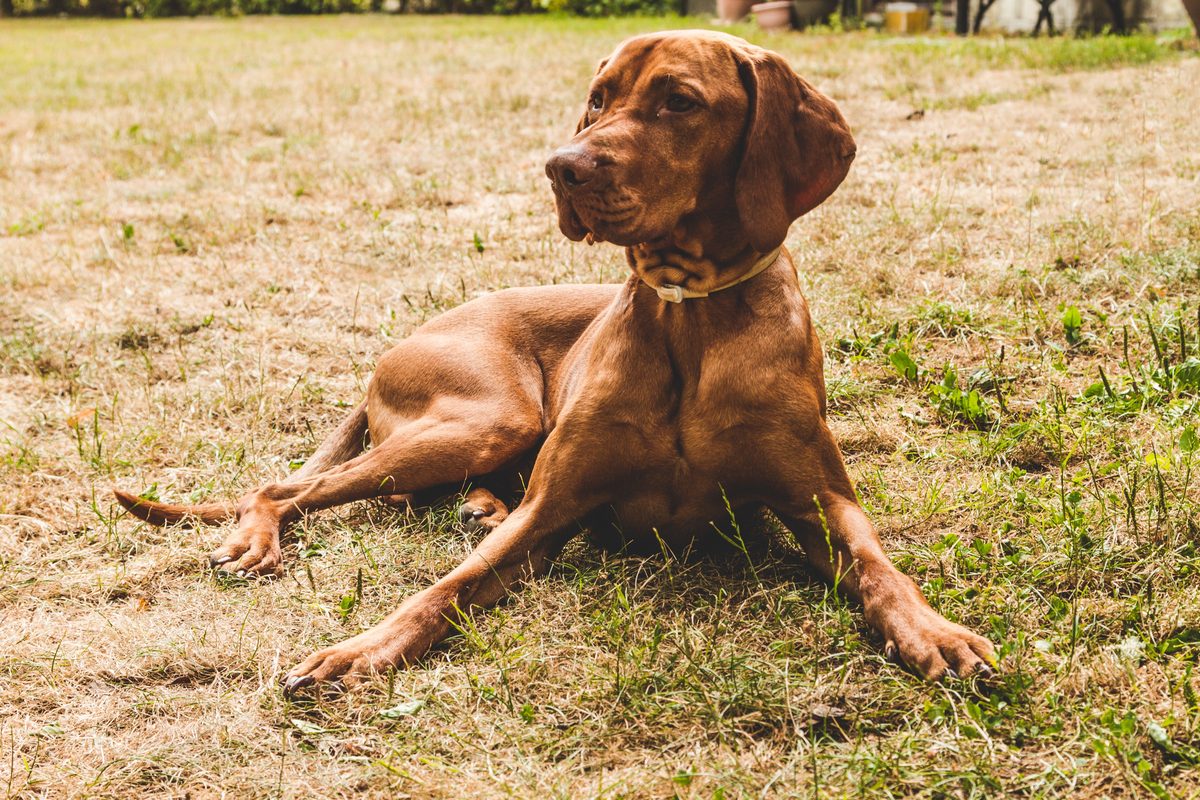
The Vizsla is sometimes called a 'velcro dog,' and the description is accurate in a way that's both charming and worth taking seriously. This is a dog that was bred for all-day close work in the field alongside a human partner, and that intense human-orientation doesn't turn off at home.
They're affectionate, gentle, and genuinely sensitive — harsh training methods backfire badly with Vizslas, who respond to positive reinforcement with remarkable eagerness. They're also high-energy in a way that's different from a Husky's chaos: more focused, athletic, and purposeful about wanting an outlet.
Vizslas typically live 12–15 years, which is notably good for a medium-to-large athletic breed. Hip dysplasia appears in the breed but at relatively modest rates. Epilepsy and hypothyroidism both occur in Vizslas and are worth monitoring.
Overall, this is a healthy breed, and the lifespan reflects it. The bigger health risk for Vizslas is often behavioral — separation anxiety can cause genuine distress and stress-related health issues if the dog's need for companionship isn't taken seriously.
Vizslas are athletic and active, and their caloric needs reflect that — especially if they're doing fieldwork or serious daily exercise. Quality protein is the foundation, and don't underestimate how much they need when genuinely active.
Like other deep-chested athletic breeds, bloat is a real risk. Smaller meals rather than one large feeding, and avoiding exercise immediately after eating, are sensible precautions worth building into routine.
Vizslas are excellent family dogs for active households — gentle with children, affectionate, and social in a way that suits family life. Their need to be involved in everything makes them naturally integrating into family routines rather than living on the periphery.
The separation anxiety concern is real and worth taking seriously for families where the dog would be alone for eight or more hours regularly. This is not a breed that does well crated all day — they need company, exercise, and engagement.
The Vizsla's primary challenge isn't training or aggression — it's neediness in the best sense. This dog wants to be with you constantly, and that's genuine love but it's also a demand. Separation anxiety in Vizslas isn't just crying at the door; it can be serious and requires active management.
For runners, hikers, hunters, or anyone whose life has room for a highly athletic, emotionally engaged companion, the Vizsla is remarkable. For households where the dog would be alone most of the day, this isn't the right match — and being honest about that before getting one saves the dog and the owner from a difficult situation.
How much exercise does a Vizsla need?
The Vizsla has very high physical activity needs and high mental stimulation needs.
What size is a Vizsla?
The Vizsla is a medium-sized breed.
How much grooming does a Vizsla need?
The Vizsla has low grooming needs.
Is a Vizsla easy to train?
The Vizsla is generally easy to train.
Is the Vizsla a good choice for first-time owners?
The Vizsla is best suited to owners who already have some dog experience.
Is a Vizsla apartment-friendly?
The Vizsla is not well suited to apartment living and does better with more space.
How long does a Vizsla live?
The Vizsla typically lives 12–15 years.
General references for further reading. For your own dog, always check with your veterinarian.