Skye Terrier
Rarer than a panda. Exactly as dignified.
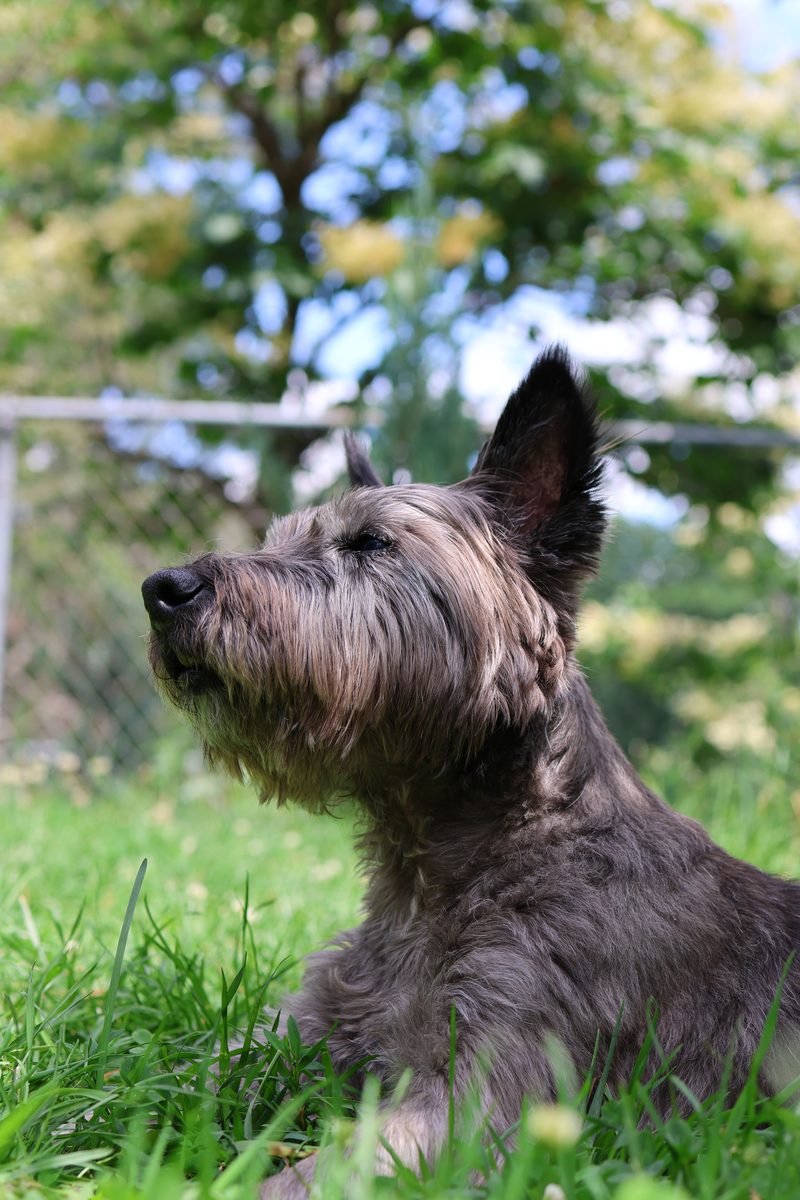
The Skye Terrier is one of the UK's most endangered native dog breeds — there are more giant pandas alive than Skye Terriers registered annually in recent years. That rarity is worth understanding before anything else, because it shapes the ownership experience: finding a reputable breeder, a vet familiar with the breed, and a community of knowledgeable owners all require real effort.
The personality is quintessential terrier with an overlay of real devotion. Skyes are known for bonding intensely to one person — Greyfriars Bobby, the Skye who stayed at his owner's grave for 14 years, is the most famous expression of this loyalty. They're cautious with strangers and will take their time making up their minds about new people.
Skye Terriers typically live 12–14 years. The breed's most distinctive health concern is premature closure of the distal radius — a growth plate issue that can cause permanent limb deformity if puppies are overexerted or exposed to hard surfaces before 8–10 months of age. This shapes how puppies must be managed from day one.
Hemangiosarcoma — an aggressive cancer of blood vessel walls — occurs at higher rates in Skyes than in the broader dog population and is worth being aware of in aging dogs. Mammary tumors also appear at elevated rates, making spaying relevant for females not intended for breeding.
Skyes are moderate in their dietary needs and don't require anything unusual. Keeping them at a healthy weight is important given their long body and short legs — the bone and joint stresses that come with excess weight matter here.
During puppyhood specifically, diet that supports appropriate growth without overnutrition matters because of the growth plate concerns noted above. Your vet should be part of puppy nutrition planning for this breed.
Skye Terriers generally do best in adult households or homes with older, respectful children. The intense personal loyalty they form isn't always compatible with the unpredictable energy of young kids. They're terriers, which means the hunting instinct is present — small pets aren't a natural fit.
For the right owner — patient, consistent, and willing to do the work of finding this breed through a reputable source — the relationship is exceptionally rewarding. Skyes are loyal to a degree that few breeds match.
The Skye Terrier requires a certain kind of commitment before you even get the dog: finding one. This is a breed with fewer than 50 puppies registered in the UK in some recent years. If you can't find a reputable breeder, the answer is to wait, not to compromise.
What you get for that effort is a dog of real character — quiet dignity, deep loyalty, and enough independence that the relationship has texture. The long coat is not a low-maintenance situation. But for people who fall for this breed, all of it is part of the point.
How much exercise does a Skye Terrier need?
The Skye Terrier has moderate physical activity needs and moderate mental stimulation needs.
What size is a Skye Terrier?
The Skye Terrier is a small breed.
How much grooming does a Skye Terrier need?
The Skye Terrier has high grooming needs.
Is a Skye Terrier easy to train?
The Skye Terrier is moderately trainable.
Is the Skye Terrier a good choice for first-time owners?
The Skye Terrier is generally not recommended for first-time owners.
Is a Skye Terrier apartment-friendly?
The Skye Terrier can live in an apartment, as long as it gets enough daily exercise.
How long does a Skye Terrier live?
The Skye Terrier typically lives 12–14 years.
General references for further reading. For your own dog, always check with your veterinarian.