Siberian Husky
Sled dog in the suburbs. Still acts like it’s pulling the sled.
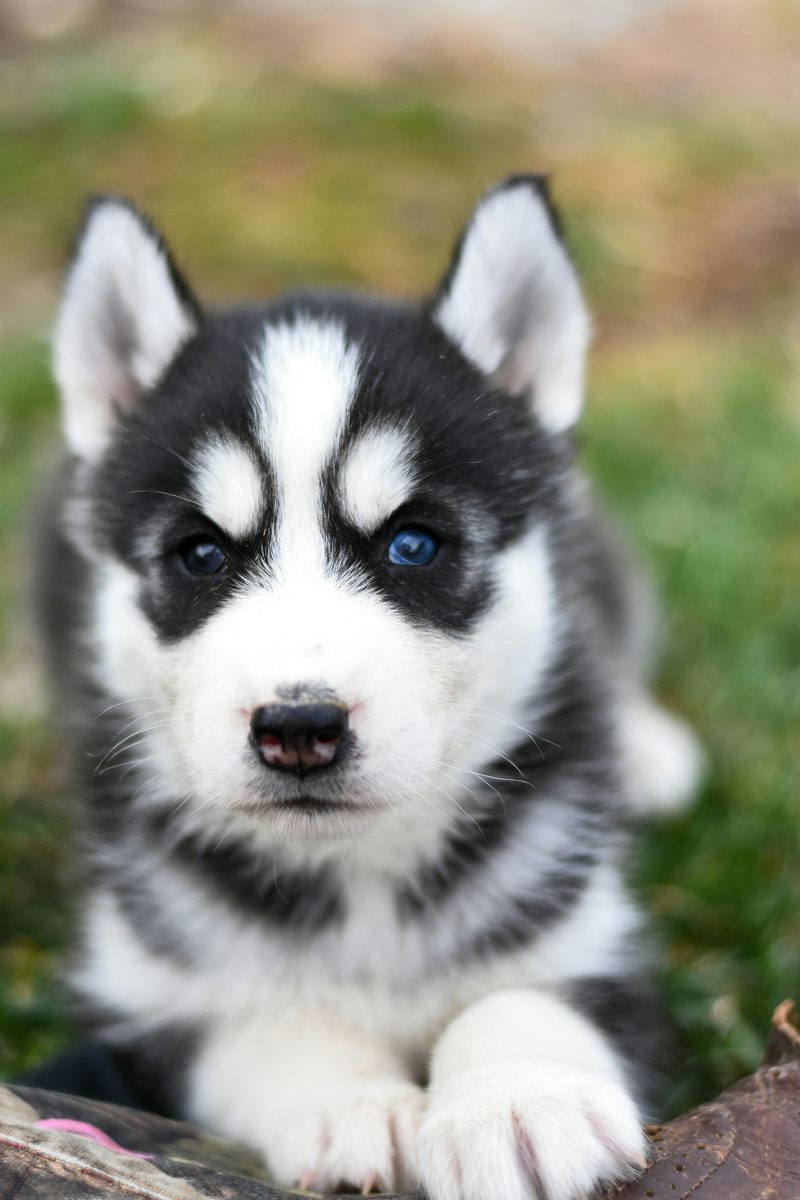
Huskies are pack dogs — friendly, outgoing, and genuinely good with people. They're not guard dogs; a Husky is statistically more likely to show a burglar where the treats are than to deter one. What they are: energetic, vocal, mischievous, and extraordinarily difficult to tire out.
The howling is real. The escape artistry is real. The selective hearing is real. Huskies are bred to run 100 or more miles per day in Arctic conditions, and no amount of walks in a subdivision is going to fully address that. They need genuine, sustained exercise, a securely fenced environment, and an owner who understands that 'stubborn' is how people describe an independent working dog in a pet context.
Siberian Huskies typically live 12–14 years and are generally healthy for a medium-to-large breed. Hip dysplasia is present at moderate rates. Eye conditions — including hereditary juvenile cataracts and progressive retinal atrophy — are worth screening for; the Siberian Husky Club of America maintains a registry for eye-clear dogs.
One non-intuitive note: Huskies are metabolically efficient and eat significantly less than people expect for a dog their size. Overfeeding is common and leads to weight gain that their joints don't need.
Huskies are famously efficient — they were bred to cover enormous distances on minimal food. This means they genuinely need less food than a dog their size would typically get, and owners regularly overfeed them with good intentions.
Follow weight and body condition rather than package guidelines, which are nearly always set for average activity levels. A Husky doing serious daily exercise needs more; a Husky on suburban walks needs less than the bag suggests.
Huskies are excellent with children and generally good with other dogs — they're pack animals and that social instinct runs deep. They're too energetic for households without enough outdoor space and time, but in the right active family they're joyful, affectionate companions.
Cats are a different story. The prey drive varies by dog but is strong enough in many Huskies that mixed households require careful management and are often not recommended.
The Husky is a completely honest dog. It will tell you exactly what it needs — loudly, repeatedly, often at 2am — and the needs are real: significant daily exercise, consistent training, a securely fenced yard (they climb, dig, and squeeze), and your company, because they don't do well alone.
They're also genuinely delightful — funny, social, beautiful, and loyal in their particular way. The people who love Huskies love them because of these traits, not despite them. The people who struggle with Huskies are usually people who thought the energy was optional.
How much exercise does a Siberian Husky need?
The Siberian Husky has very high physical activity needs and high mental stimulation needs.
What size is a Siberian Husky?
The Siberian Husky is a medium-sized breed.
How much grooming does a Siberian Husky need?
The Siberian Husky has high grooming needs.
Is a Siberian Husky easy to train?
The Siberian Husky is moderately trainable.
Is the Siberian Husky a good choice for first-time owners?
The Siberian Husky is generally not recommended for first-time owners.
Is a Siberian Husky apartment-friendly?
The Siberian Husky is not well suited to apartment living and does better with more space.
How long does a Siberian Husky live?
The Siberian Husky typically lives 12–14 years.
General references for further reading. For your own dog, always check with your veterinarian.