Otterhound
Rare. Shaggy. Incredibly loud about finding a scent.
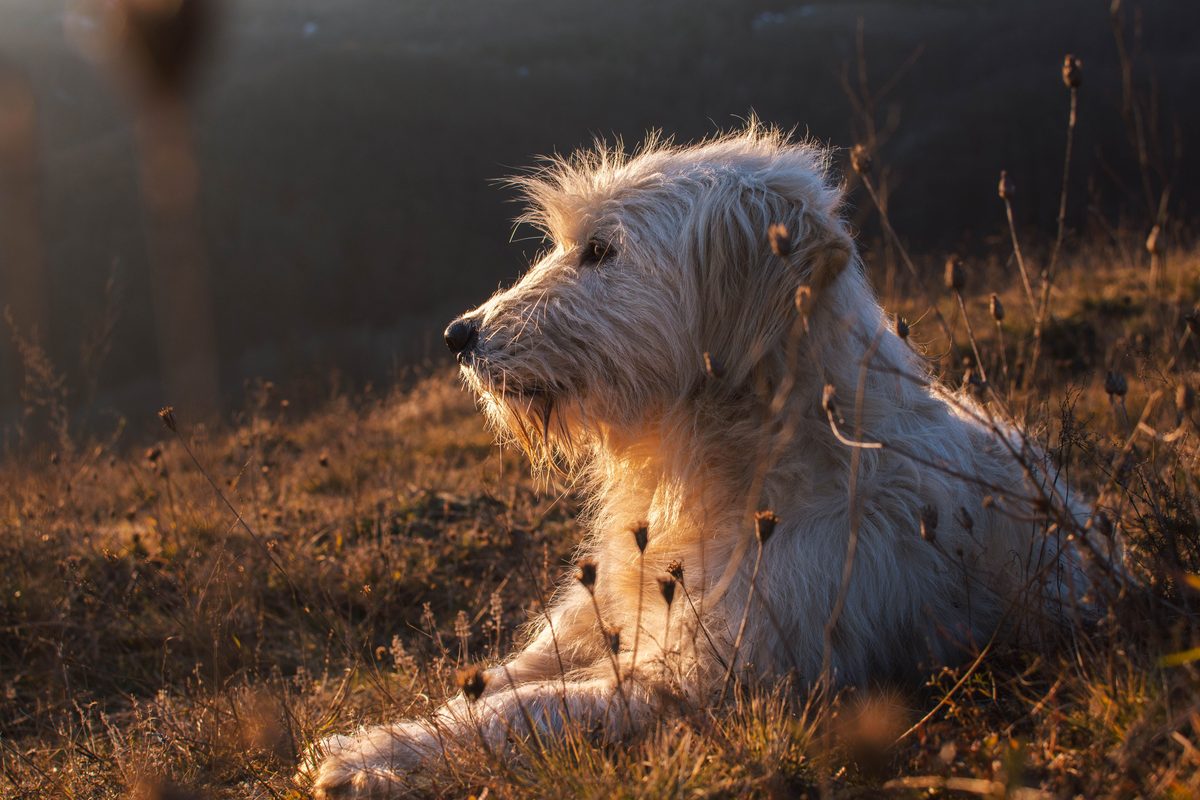
Otterhounds are boisterous, friendly, and thoroughly nose-driven, with a loud baying bark and a genuine love of water. They're good-natured but stubborn, and their independent scent-hound instincts mean recall can't be fully relied upon.
Otterhounds typically live 10–13 years. Hip and elbow dysplasia are common, and bloat is a real risk. This is one of the rarest dog breeds in the world, and the resulting small gene pool makes health screening especially important — glaucoma is also documented in the breed.
A standard quality diet with bloat precautions and ongoing joint support suits this breed's size and activity level well. Weight management matters given their size and appetite.
Otterhounds are good with kids, though their boisterous, rowdy energy might overwhelm very small children. They do well with other dogs given their pack-hunting history, and access to water is genuinely valued by this breed.
This is one of the rarest dog breeds in the world, and that rarity comes with real health-screening stakes given the small gene pool involved. Go in prepared for a nose-driven, loud, water-loving dog that needs serious daily exercise — this isn't a breed for a quiet, minimalist household.
How much exercise does an Otterhound need?
The Otterhound has high physical activity needs and high mental stimulation needs.
What size is an Otterhound?
The Otterhound is a large breed.
How much grooming does an Otterhound need?
The Otterhound has high grooming needs.
Is an Otterhound easy to train?
The Otterhound is independent-minded, which can make training more challenging.
Is the Otterhound a good choice for first-time owners?
The Otterhound is generally not recommended for first-time owners.
Is an Otterhound apartment-friendly?
The Otterhound is not well suited to apartment living and does better with more space.
How long does an Otterhound live?
The Otterhound typically lives 10–13 years.
General references for further reading. For your own dog, always check with your veterinarian.