Japanese Chin
Imperial origins. Cat-like independence. Silently critiquing your home.
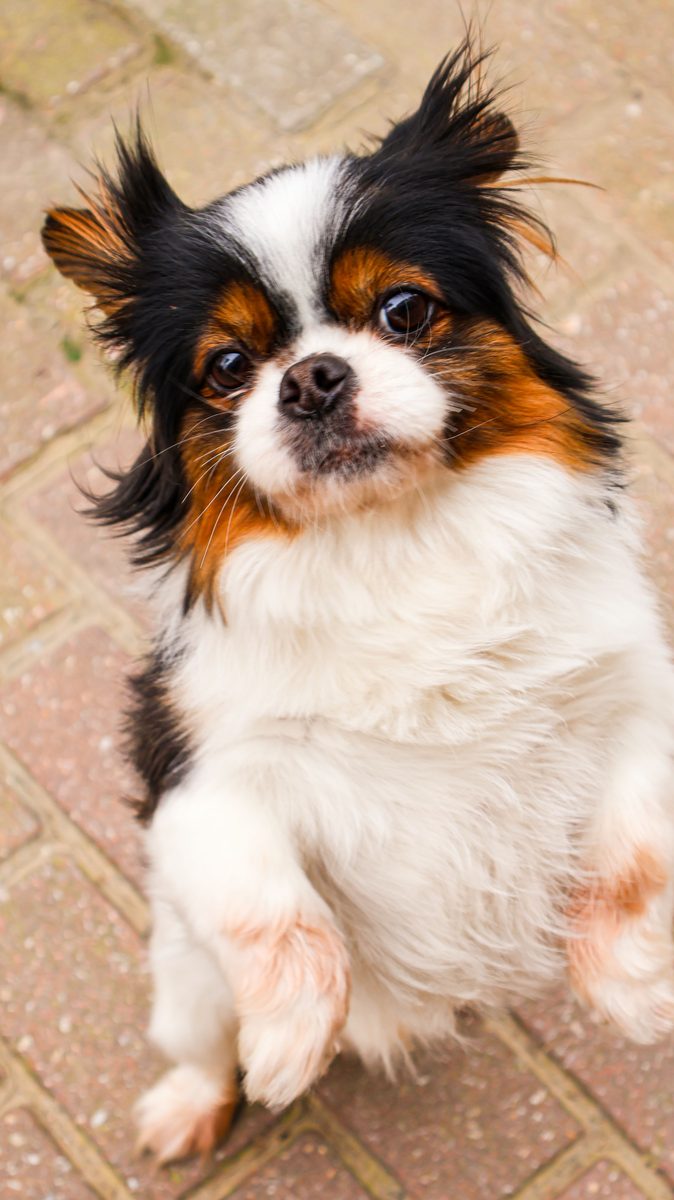
Japanese Chins are dignified and cat-like, affectionate without being clingy or demanding. They're generally quiet, playful in short bursts, and carry an independent streak that's balanced by real loyalty to their people.
Japanese Chins typically live 10–12 years. Brachycephalic facial structure brings real breathing considerations. Heart issues, including mitral valve disease, and patellar luxation both appear at notable rates, and their prominent eyes create some elevated risk of eye-related issues.
A small-breed formula suits this dog well, with weight management mattering given the low activity level. Standard dental care applies as with most small breeds.
Japanese Chins do well in calm households with gentle kids. Their low exercise needs make them a strong fit for apartment living, and their relatively independent nature means they tolerate some alone time better than more velcro toy breeds.
This is a genuinely easygoing toy breed for a quieter household, but the brachycephalic features and heart considerations mean real vet attention is still part of ownership, despite how minimal the daily care demands look on the surface.
How much exercise does a Japanese Chin need?
The Japanese Chin has low physical activity needs and moderate mental stimulation needs.
What size is a Japanese Chin?
The Japanese Chin is a small breed.
How much grooming does a Japanese Chin need?
The Japanese Chin has moderate grooming needs.
Is a Japanese Chin easy to train?
The Japanese Chin is moderately trainable.
Is the Japanese Chin a good choice for first-time owners?
Yes — the Japanese Chin is generally considered a good fit for first-time dog owners.
Is a Japanese Chin apartment-friendly?
Yes — the Japanese Chin can adapt well to apartment living.
How long does a Japanese Chin live?
The Japanese Chin typically lives 10–12 years.
General references for further reading. For your own dog, always check with your veterinarian.