Bloodhound
Nose of legend. Everything else: a secondary concern.
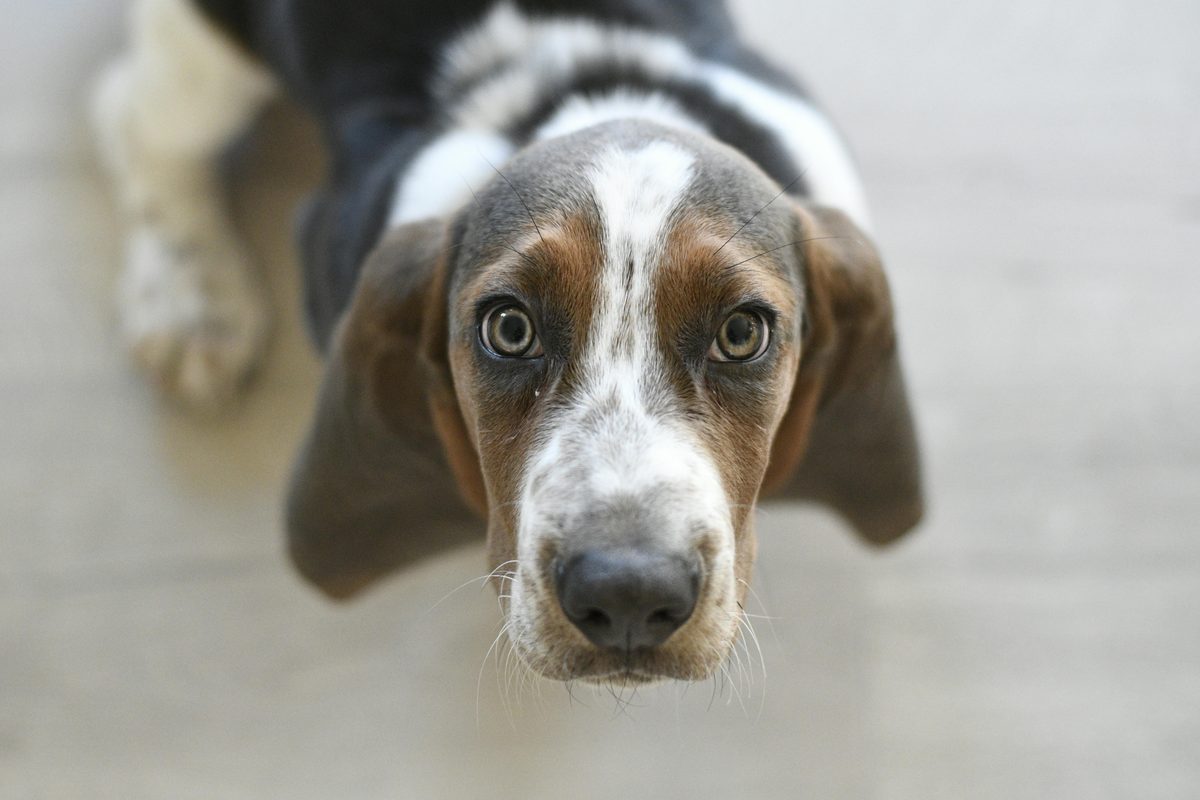
Bloodhounds are gentle, affectionate, and famous for having the best scenting ability of any dog breed — a trait that also makes them profoundly stubborn once a trail is picked up. At home they're sweet and mellow with family; on a scent, nothing else exists, including your voice calling them back.
Significant drooling is part of the package, and worth knowing before bringing one into your home and onto your furniture.
Bloodhounds typically live 10–12 years, shorter than many breeds their size might suggest but not unusually so for a giant breed. Bloat is a very high risk here given their deep chest — this is one of the breed's defining health concerns and deserves real attention. Ear infections, hip and elbow dysplasia, and eye issues like ectropion and entropion also appear commonly.
Bloat prevention should shape the entire feeding routine — multiple smaller meals, calm periods before and after eating, and slow-feed bowls are worth using given how high the risk runs in this breed. Joint-supportive nutrition matters too, given their size and weight on the frame.
Bloodhounds are gentle with kids and generally sweet-natured within the family. Their size and drool factor into daily life more than most breeds — this is a dog that needs space, and a yard suits them far better than an apartment.
This is one of the most single-minded dogs in existence — once that nose locks onto a trail, the dog is, for practical purposes, gone. It's not defiance, it's exactly what centuries of breeding built this dog to do. Serious, secure fencing and patient handling are requirements, not suggestions.
Underneath that single-mindedness is a genuinely sweet, loyal family temperament. If you can handle the drool, the size, and the nose-driven stubbornness, this breed offers a kind of devoted gentleness that's hard to find elsewhere.
How much exercise does a Bloodhound need?
The Bloodhound has moderate physical activity needs and high mental stimulation needs.
What size is a Bloodhound?
The Bloodhound is a large breed.
How much grooming does a Bloodhound need?
The Bloodhound has low grooming needs.
Is a Bloodhound easy to train?
The Bloodhound is independent-minded, which can make training more challenging.
Is the Bloodhound a good choice for first-time owners?
The Bloodhound is generally not recommended for first-time owners.
Is a Bloodhound apartment-friendly?
The Bloodhound is not well suited to apartment living and does better with more space.
How long does a Bloodhound live?
The Bloodhound typically lives 10–12 years.
General references for further reading. For your own dog, always check with your veterinarian.