Australian Shepherd
Has a job. Is currently your job. No days off.
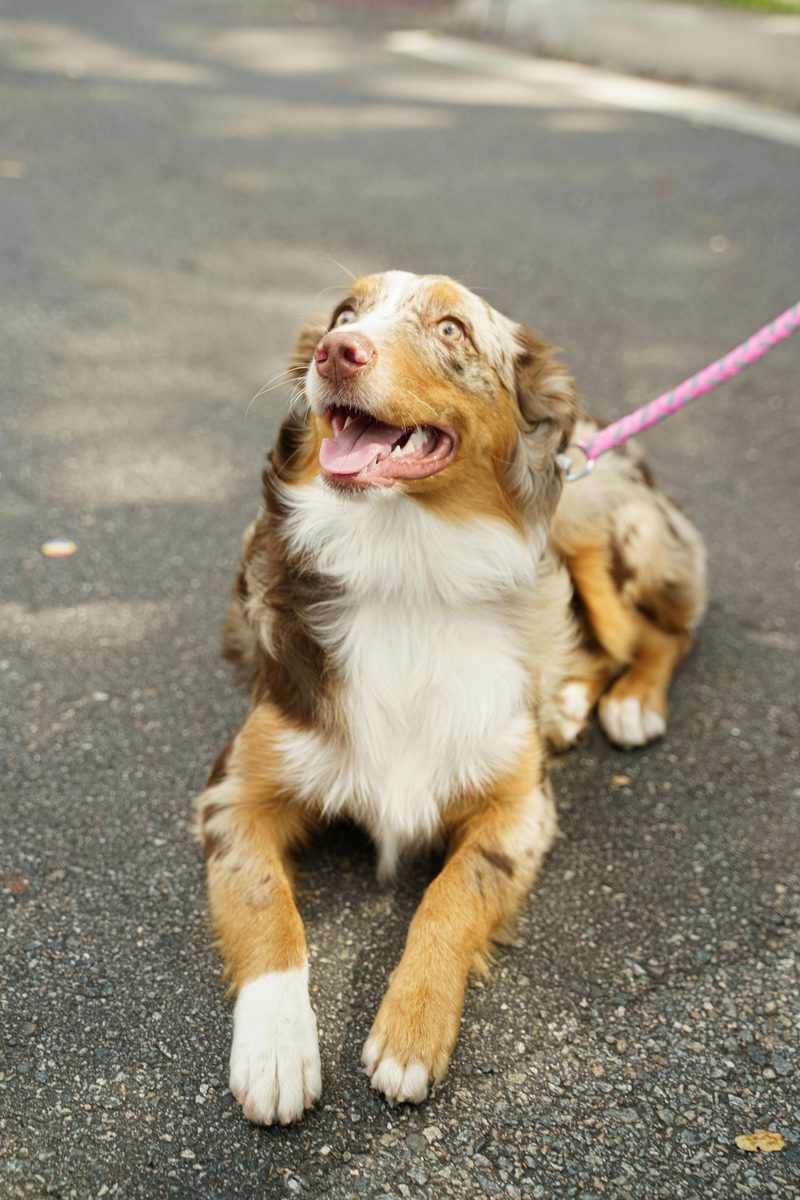
Australian Shepherds are whip-smart, high-energy, and built to have a job. Herding instinct shows up constantly, including at home — heel-nipping at kids, chasing bikes, and trying to "manage" the movement of everyone in the household. They're intensely bonded to their people, often called velcro dogs, and can be reserved with strangers.
Without real mental and physical outlets, an Aussie's intelligence turns against you — into obsessive behaviors, anxiety, or destructiveness. This is a breed that needs a genuine role, not just a daily walk.
Australian Shepherds typically live 12–15 years. Hip dysplasia and epilepsy both appear in the breed. Eye conditions, including collie eye anomaly and progressive retinal atrophy, are worth screening for with a breeder.
One critical breed-specific note: many herding breeds, including Aussies, can carry the MDR1 gene mutation, which affects how they metabolize certain common medications. Any vet treating an Aussie should be told about this possibility, and testing is available and worth doing.
Given their very high activity needs, working and highly active Aussies do well on an energy-dense diet with quality protein to match real caloric burn. Less active pet-line dogs need calories adjusted down accordingly — this varies more within the breed than people expect.
Joint-supportive nutrients are worth building in given the hip dysplasia risk, especially for dogs in high-impact activities like agility or real herding work.
Aussies do best with active families who can genuinely keep up — hiking, running, dog sports, or real daily structured activity. The herding nip needs consistent redirection with younger kids, and this breed does particularly well with older children who can participate in training and play.
This is not a breed suited to a sedentary household or long stretches alone. An under-exercised, under-stimulated Aussie is a genuinely difficult dog to live with.
This is one of the more demanding herding breeds on the list, full stop. The intelligence and trainability that make Aussies so appealing in videos and at dog shows are the same traits that cause serious problems in an owner who can't provide enough outlet for them.
If you're an active person or family looking for a true partner in hiking, sport, or daily structured work, an Aussie is an extraordinary dog. If you want the "smart, pretty dog" without the daily demands, this isn't the breed — and the shelter surrender rates for this breed reflect exactly that mismatch.
How much exercise does an Australian Shepherd need?
The Australian Shepherd has very high physical activity needs and very high mental stimulation needs.
What size is an Australian Shepherd?
The Australian Shepherd is a medium-sized breed.
How much grooming does an Australian Shepherd need?
The Australian Shepherd has moderate grooming needs.
Is an Australian Shepherd easy to train?
The Australian Shepherd is generally easy to train.
Is the Australian Shepherd a good choice for first-time owners?
The Australian Shepherd is best suited to owners who already have some dog experience.
Is an Australian Shepherd apartment-friendly?
The Australian Shepherd is not well suited to apartment living and does better with more space.
How long does an Australian Shepherd live?
The Australian Shepherd typically lives 12–15 years.
General references for further reading. For your own dog, always check with your veterinarian.